
The Philippines' Land Transportation Franchising and Regulatory Board (LTFRB) has temporarily shut down its Electronic Support System (LESS) following a security breach, suspending online applications, transactions and related services until further notice.
The agency is coordinating with the Department of Information and Communications Technology (DICT), Cybercrime Investigation and Coordinating Center (CICC), and National Privacy Commission (NPC) to investigate the incident and determine the extent of potential data exposure.
Earlier reports alleged that a threat actor had obtained approximately 7.7 GB of information involving 16 million records, potentially including personnel, vehicle registration and franchise data. However, the authenticity of these claims, the number of affected records and their connection to the confirmed incident remain unverified.
Why is this incident concerning?
Government digital platforms handle sensitive citizen information and support essential administrative functions. A compromise can therefore create consequences beyond data theft, including disruption of public services, identity fraud risks and loss of public confidence.
Taking the affected platform offline is an important containment measure, but restoring services without establishing the cause of the breach could expose the system to further compromise.
The incident reinforces the need for government agencies to adopt a security architecture that combines preventive controls with continuous monitoring and operational resilience.
What should government organisations do to prevent similar incidents?
- Strengthen network security: Deploy next-generation firewalls, intrusion prevention systems and appropriate network segmentation to restrict unauthorised access and limit lateral movement.
- Secure web applications and APIs: Conduct regular vulnerability assessments, patch exposed systems promptly and implement appropriate API security controls.
- Implement Data Loss Prevention: Monitor and control unauthorised transfers of sensitive citizen information, including suspicious bulk downloads and data exfiltration.
- Enforce Zero Trust principles: Apply multi-factor authentication, least-privilege access and continuous verification of users and devices.
- Monitor suspicious activity: Correlate endpoint, network, database and application logs to detect unusual access patterns and unexpected data transfers.
- Ensure service continuity: Maintain tested backups, recovery procedures and alternate service arrangements to minimise disruption during security incidents.
- Validate systems before restoration: Investigate the initial entry point, remove attacker access, verify data integrity and monitor closely after services resume.
These are general preventive recommendations. The LTFRB incident's specific attack method has not yet been publicly established, so no particular security control can currently be identified as the one that would have prevented it.
The larger cybersecurity lesson
Government digital transformation must be accompanied by equally strong investments in cybersecurity, data protection and incident-response capabilities.
The security of a government platform cannot be measured solely by whether it prevents unauthorised access. It must also be capable of detecting attacks, containing breaches, protecting sensitive information and restoring services safely.
Key takeaway: A cyberattack on government infrastructure can become a public-service crisis. Protecting citizen data and maintaining essential services must be treated as equally important objectives of cybersecurity.
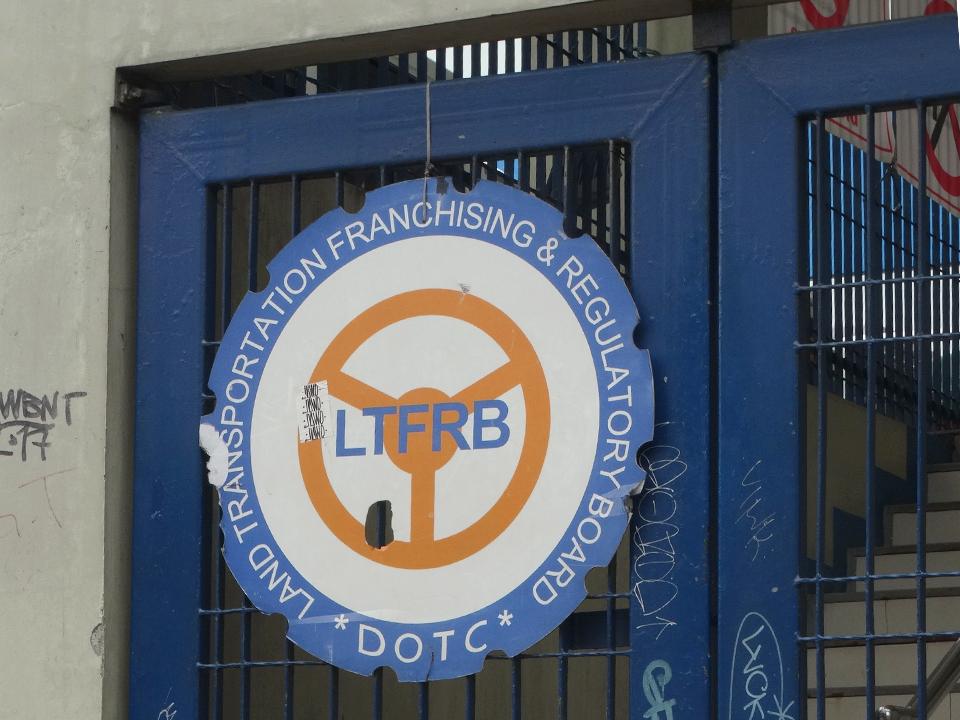
The Land Transportation Franchising and Regulatory Board (LTFRB) Electronic Support System (LESS) is currently offline as the agency investigates a reported security breach.
Source: LTFRB platform down amid security breach probe via gmanetwork.com.
Was this article helpful?
Your feedback helps us improve the knowledge base.